SOUTH AFRICA 2013 - 2014
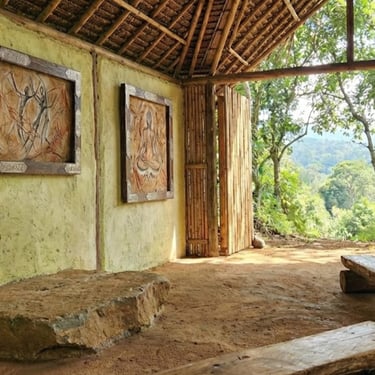
Before the gold of the temples or the silence of the studio, there was the red dust of Africa. This collection documents the genesis of Ishwar’s artistic identity; a return to the 'Cradle of Humankind.'
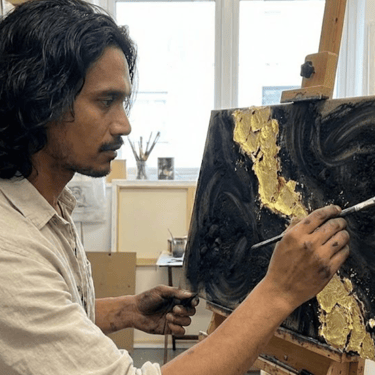
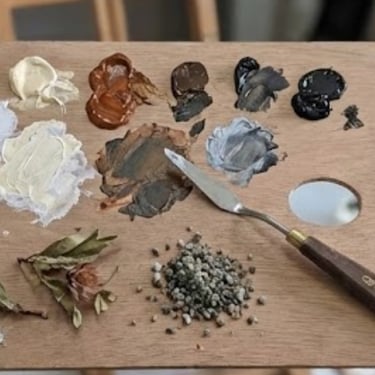
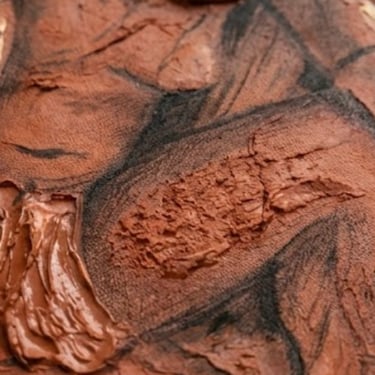
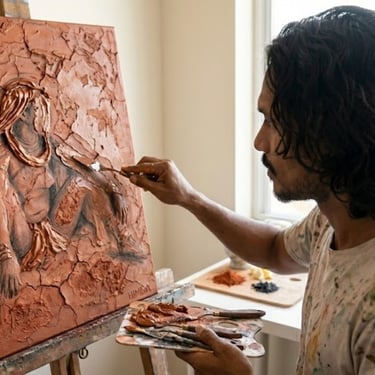
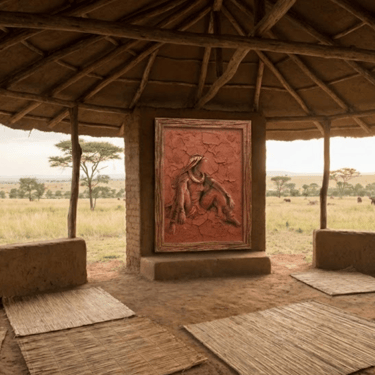
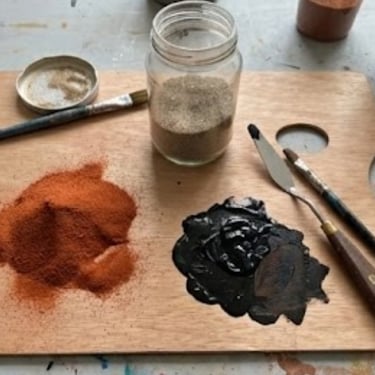
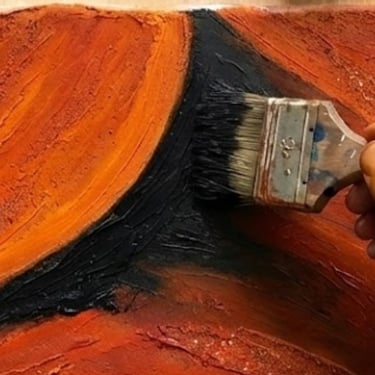
Spanning three distinct territories; South Africa, Namibia, and Kenya; this Odyssey was an unlearning. Here, the artist stripped away the refined tools of the academy and embraced the raw tools of the earth: Volcanic Soil, Charcoal, and Ochre. This is not art about nature; it is art of nature. It explores the primal vibration of the land, the rhythm of the tribes, and the stark beauty of survival.
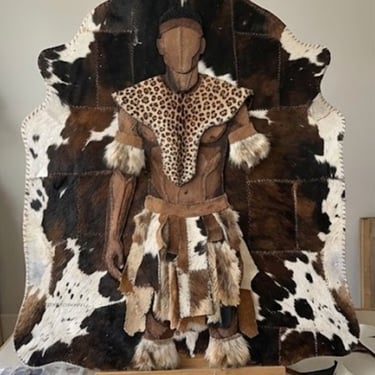
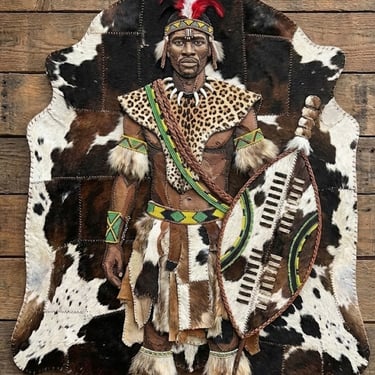
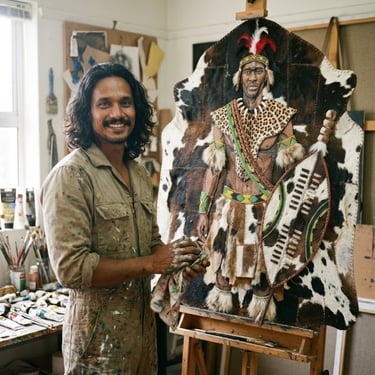
ISIHLANGU (THE SHIELD)
The Origin Story:
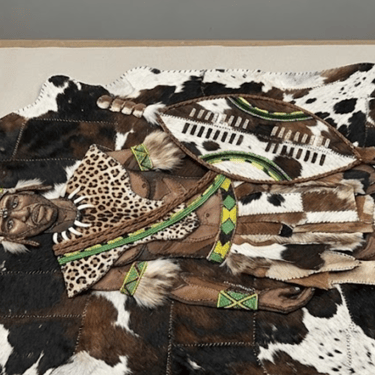
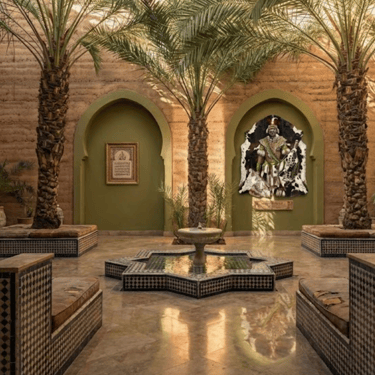
The Zulu nation is built on the legacy of Shaka; the warrior king who revolutionised warfare with the short spear (Assegai) and the large shield (Isihlangu). This piece abstracts the shield not just as a weapon, but as an identity. It represents protection, lineage, and the martial discipline that defines the tribe.
The Specifications:
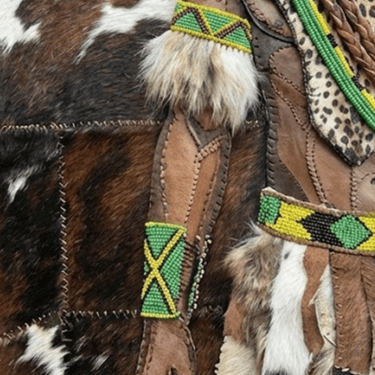
Medium: Mixed Media, Cowhide Scraps, Leather & Glass Beads on Canvas
Location of Origin: KwaZulu-Natal (Zululand)
Era: The Foundation (2013)
THE SANGOMA’S MAT (AMADLOZI)
The Origin Story:
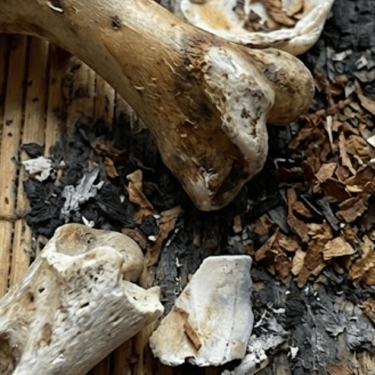
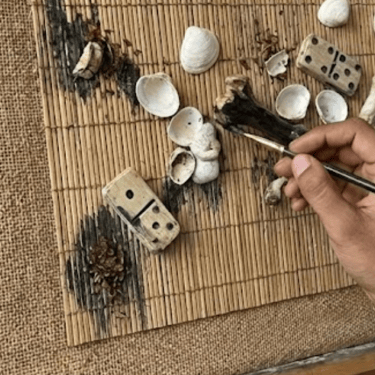
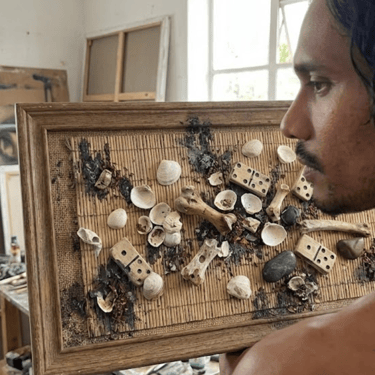
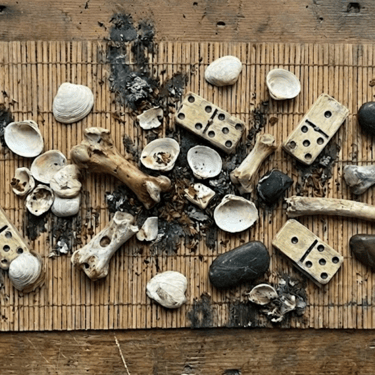
In South Africa, God is often accessed through the Ancestors (Amadlozi). The Sangoma (traditional healer) acts as the bridge. This artwork captures a reading session in a dim hut. It explores the idea that there is no 'coincidence'; that the chaotic scattering of bones can reveal the structured will of the spirits.
The Specifications:
Medium: Oil, Impala Knuckle Bones (glued), Ash & Tobacco on Burlap
Location of Origin: Soweto / Johannesburg
Era: The Foundation (2013)
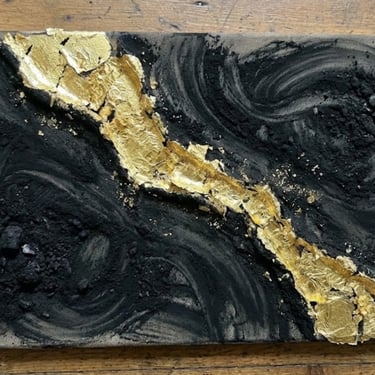
EGOLI (THE DEEP VEIN)
The Origin Story:
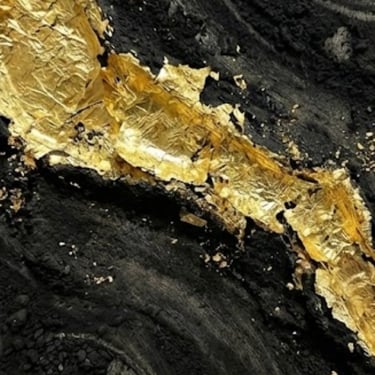
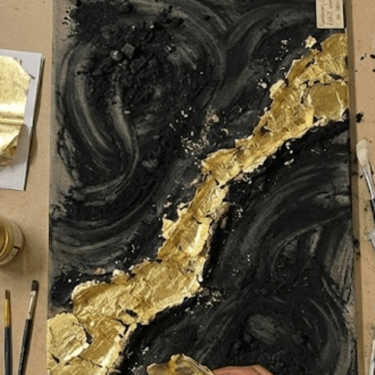
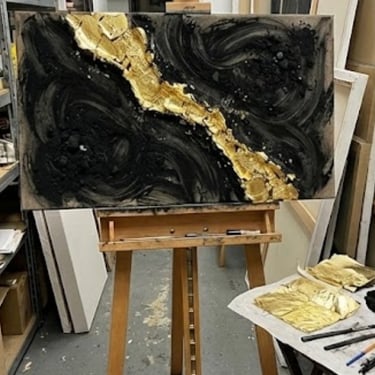
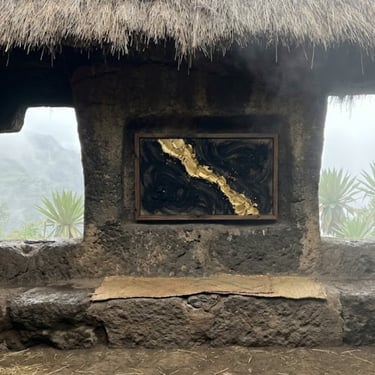
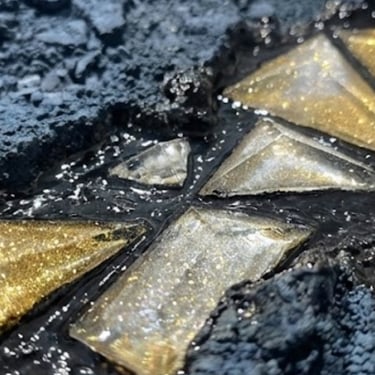
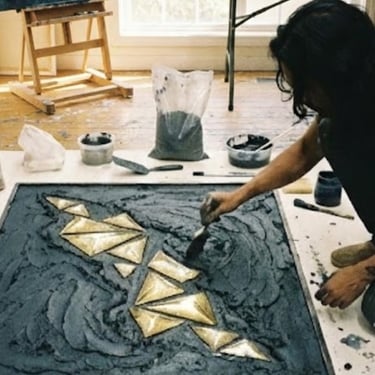
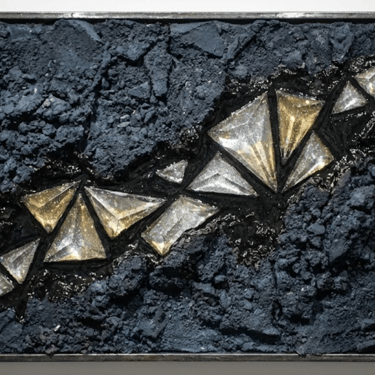
Johannesburg is named Egoli; The Place of Gold. The entire city is built on top of the deepest mines in the world. This piece explores the cost of wealth. It contrasts the darkness of the earth with the brilliance of the mineral that built (and divided) a nation. It is the blood and the glory of the Witwatersrand.
The Specifications:
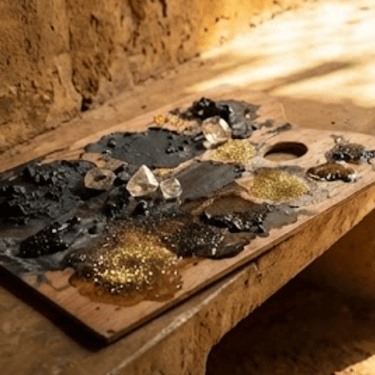
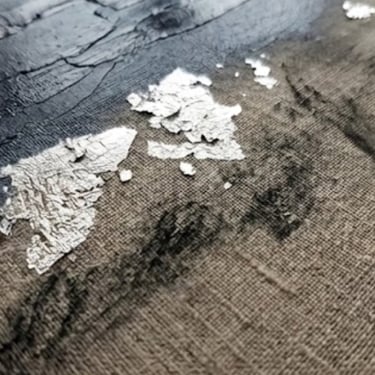
Medium: Charcoal, Coal Dust & 24k Gold Leaf on Canvas
Location of Origin: Johannesburg (Gold Reef City)
Era: The Foundation (2013)
Archive #AF001: The Hide of The Warrior (Zulu)
Archive #AF002: The Throwing of Bones (Amadlozi)
Archive #AF003: The CIty of Gold
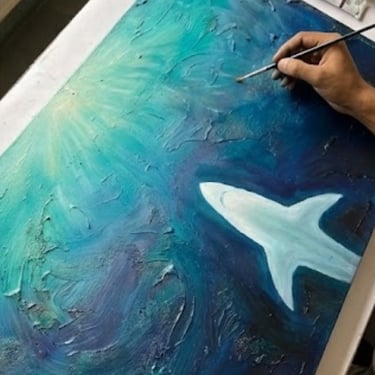
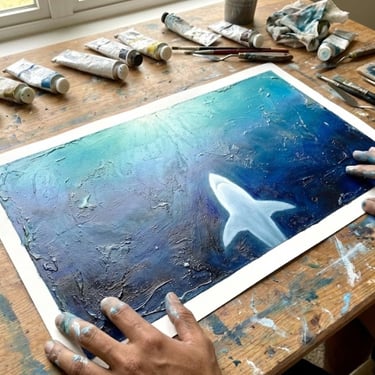
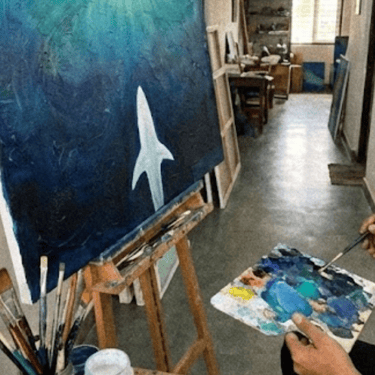
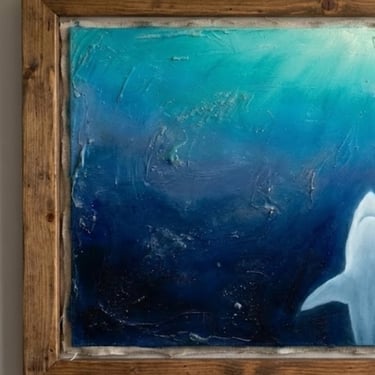
Archive #AF004: The Apex Predator (Great White Shark)
FALSE BAY (THE SHADOW)
The Origin Story:
South Africa’s coast is the realm of the Great White. In 2013, the waters of False Bay were their hunting ground. This artwork explores the concept of 'The Apex.' It captures the silence of the predator; the feeling of being in the water and knowing something ancient and perfect is swimming beneath you.
The Specifications:
Medium: Oil, Sea Water & Cold Wax on Linen
Location of Origin: False Bay / Gansbaai
Era: The Foundation (2013)
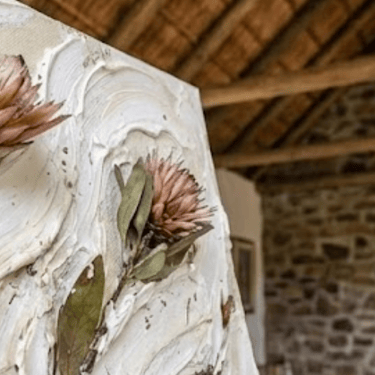
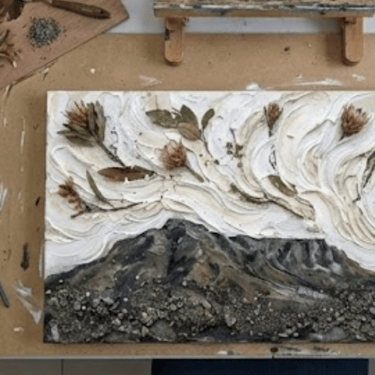
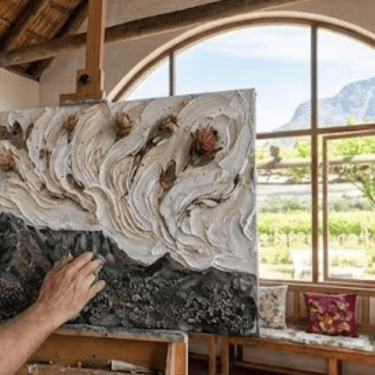
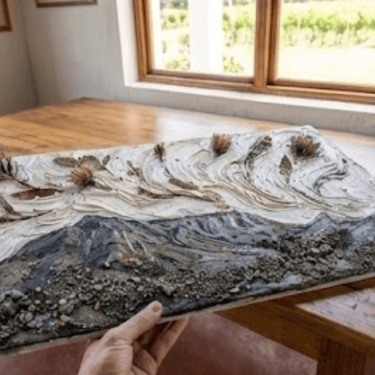
Archive #AF005: The Table Cloth (Table Mountain)
CAPE OF STORMS (THE TABLE)
The Origin Story:
Cape Town was originally known as the 'Cape of Storms.' The defining image is not the mountain itself, but the cloud that swallows it. This piece captures the wind. It is a study of how the solid rock shapes the fluid air, creating a micro-climate that exists nowhere else on earth.
The Specifications:
Medium: Acrylic, Mountain Fynbos (dried flowers) & Granite Dust on Canvas
Location of Origin: Table Mountain, Cape Town
Era: The Foundation (2013)

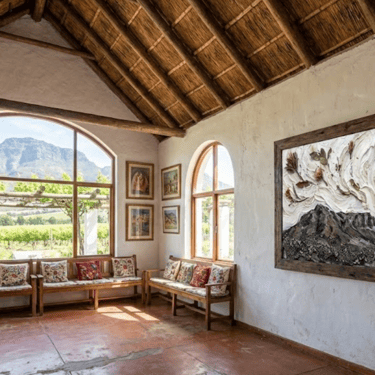
NAMIBIA : THE GENESIS 2014
The Journal Entry: "Before the temples of stone, there were temples of sand. The journey begins here, in the oldest desert on Earth. In Namibia, the divine is not hidden in a shrine; it is exposed in the geology.
This chapter explores the 'Genesis' phase of the artist's life, confronting the silence of the Namib, the red skin of the Himba, and the spiritual trances of the San Bushmen. It is a study of survival in the void."
THE RED LINEAGE (HIMBA)
The Origin Story:
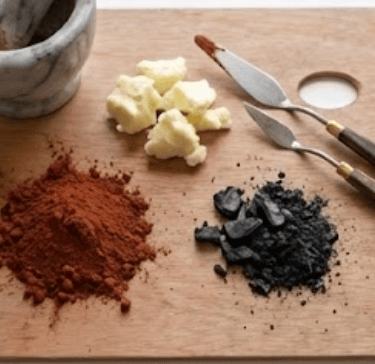
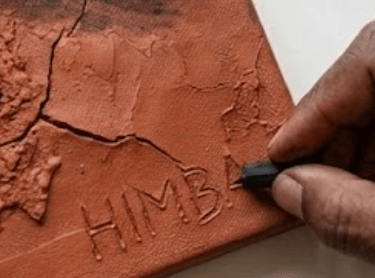
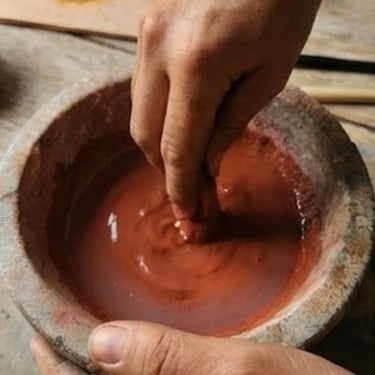
In the Kunene region, the Himba women coat their skin and hair in Otjize; a mixture of butterfat and red ochre stone. It is not just makeup; it is a connection to the earth and a protection from the sun. This piece documents Ishwar’s time in a settlement, representing the tribe’s belief that the red of the earth and the red of the blood are the same sacred substance."
The Specifications:
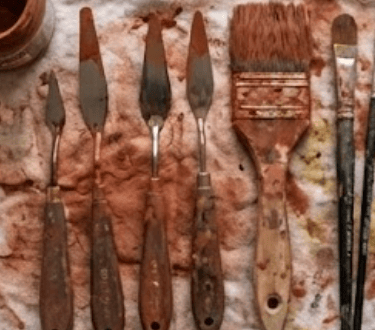
Medium: Red Ochre (Otjize), Butterfat & Charcoal on Linen
Location of Origin: Opuwo, Kunene Region
Era: The Genesis (2014)
KAGGEN'S DANCE (THE TRANCE)
The Origin Story:
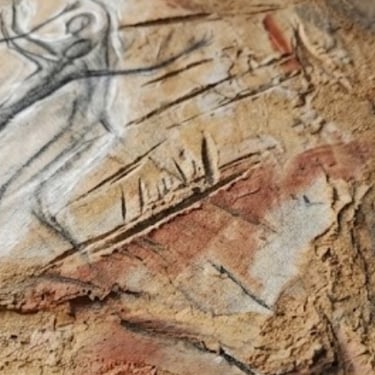
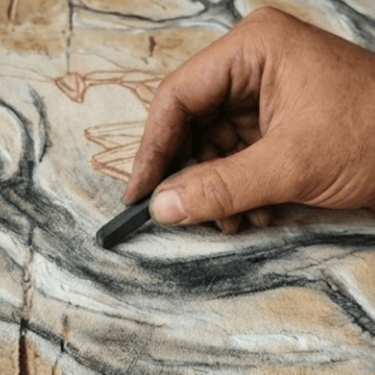
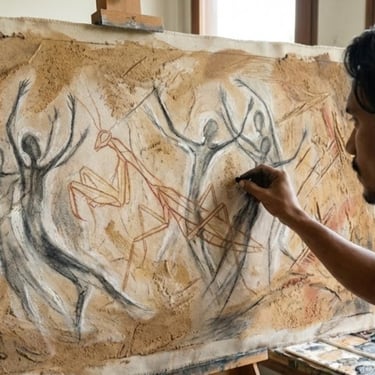
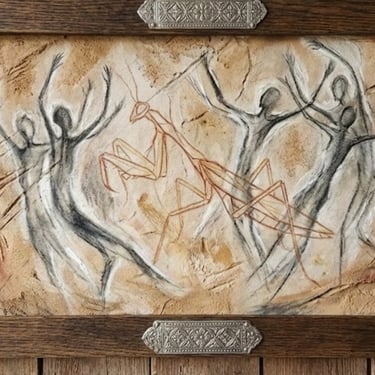
The San people (Bushmen) are the oldest inhabitants of Southern Africa. Their creator god often takes the form of a Mantis (Kaggen). Inspired by the ancient rock art of Twyfelfontein, this artwork explores the moment the shaman enters the spirit realm to heal the community. It touches on the very first concept of 'God' known to man."
The Specifications:
Medium: Natural Rock Pigments, Charcoal & Sandstone Dust on Canvas
Location of Origin: Twyfelfontein / Kalahari Edge
Era: The Genesis (2014)
OXIDATION (SOSSUSVLEI)
The Origin Story:
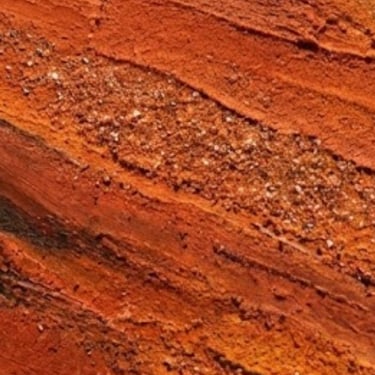
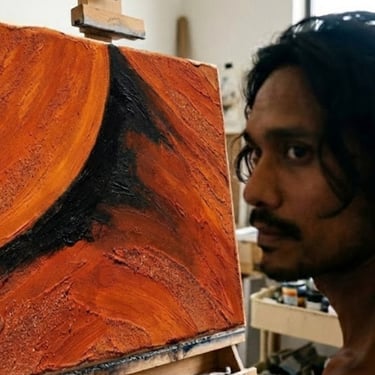
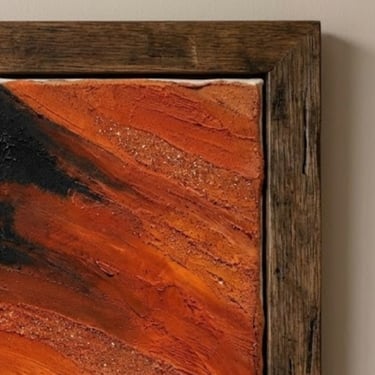
The dunes of the Namib are red because they are rusting. Millions of years of oxidation have turned the sand into iron ore. This piece is a geological study of 'Hematite' (Iron Oxide). It captures the monumental silence of Big Daddy Dune, using actual sand to create a surface that burns with iron-red intensity. It is a meditation on the beauty of geological time.
The Specifications:
Medium: Namib Red Sand (Iron Oxide) & Acrylic on Canvas
Location of Origin: Sossusvlei, Namib-Naukluft
Era: The Genesis (2014)
Archive #AF006: Otjize (The Himba Tribe Woman)
Archive #AF007: The Mantis Dream (San Mythology)
Archive #AF008: The Iron Ocean (Nambib Sand)
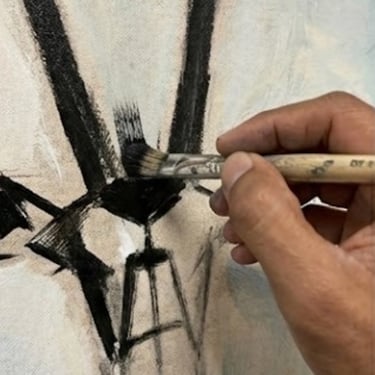
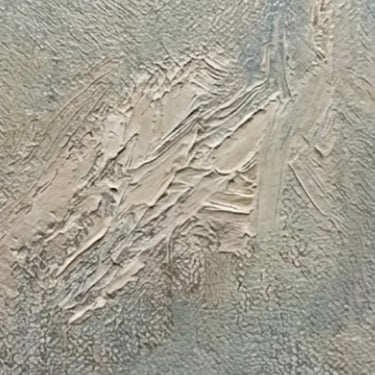
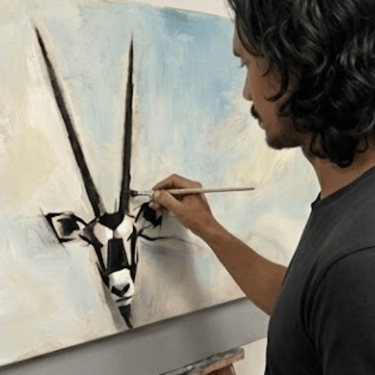
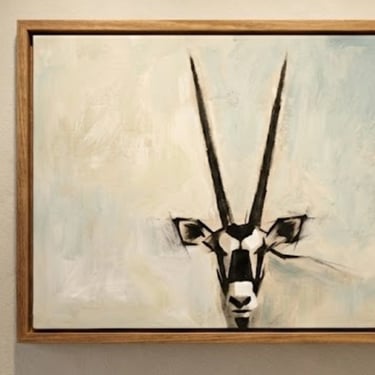
Archive #AF009: The Ghost Gazelle (Oryx)
SURVIVOR OF THE VOID (ORYX)
The Origin Story:
The Gemsbok (Oryx) is the spirit animal of the Namib. It stands perfectly still in temperatures that would kill other beasts, surviving without water for weeks. This artwork captures the stoicism of the animal. It represents the quality of 'Endurance', the ability to thrive where nothing else can grow.
The Specifications:
Medium: Oil, Dry Brush & Bone Black on Linen
Location of Origin: Damaraland
Era: The Genesis (2014)
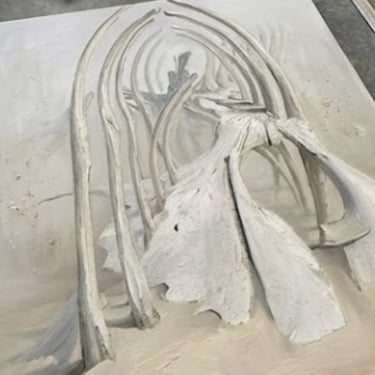
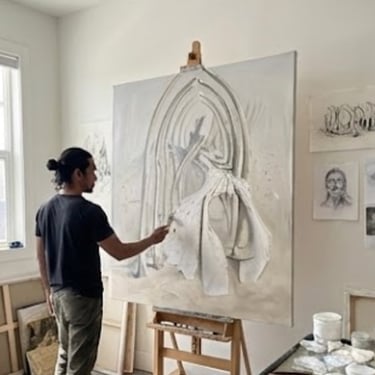
Archive #AF010: The Graveyard of the Giants
THE FOG BELT (SKELETON COAST)
The Origin Story:
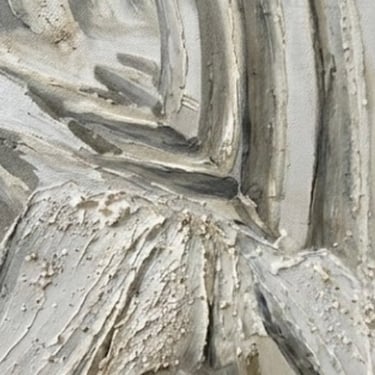
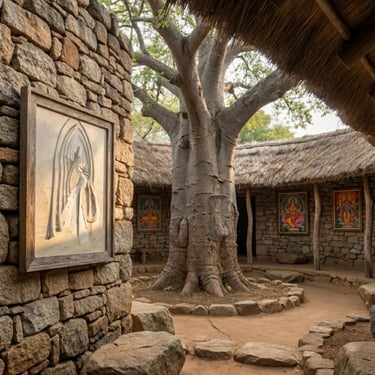
Long before the ships ran aground, this coast was named for the bones of whales. The cold Benguela current washes the remains of these leviathans onto the burning sands, where the sun bleaches them into eternal monuments. This piece explores the concept of 'Organic Architecture.' It contrasts the softness of the sea fog with the hard, calcified permanence of the whale vertebrae. It is a tribute to the giants who find their final rest where the ocean meets the desert.
The Specifications:
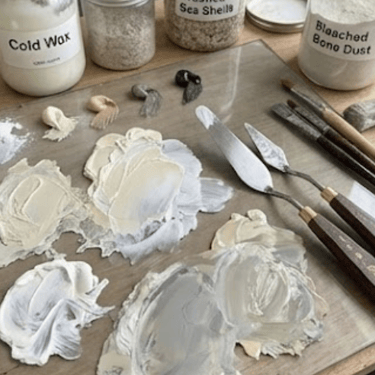
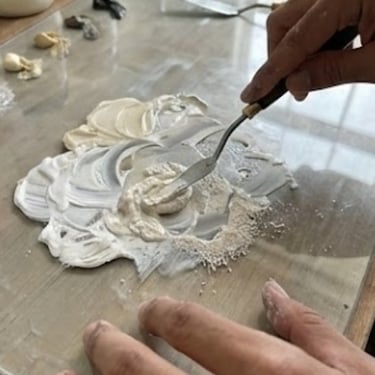
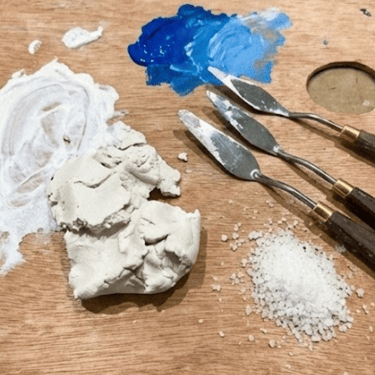
Medium: Oil, Cold Wax, Crushed Sea Shells & Bleached Bone Dust on Linen
Location of Origin: Skeleton Coast (Torra Bay)
Era: The Genesis (2014)
BOTSWANA : 2015
The Journal Entry: "Leaving the skeleton coast behind, the journey moved inland to the 'Jewel of the Kalahari.' Botswana is a paradox. It is a desert that drowns every year. Here, the water flows not into the ocean, but into the sands, creating the Okavango Delta a massive, breathing nervous system of life.
This chapter explores the tension between the thirst of the Kalahari and the flood of the Delta. It is a study of how life gathers around the source."
THE SILENT POLE (MOKORO)
The Origin Story:
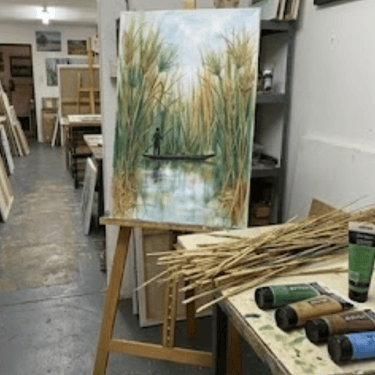
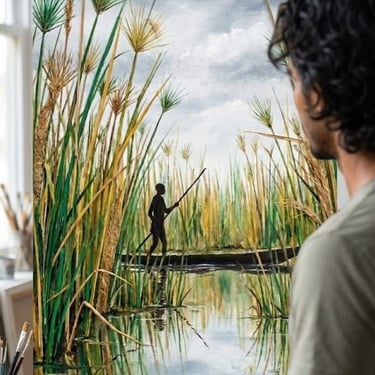
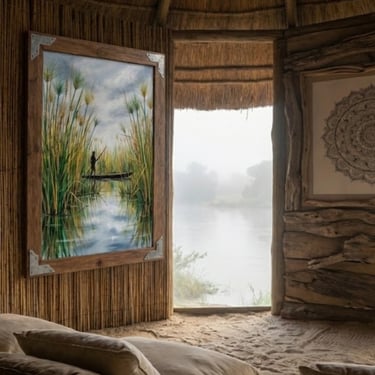
The Banoka (River Bushmen) do not fight the current; they glide over it. Using the Mokoro, they navigate the hippo-filled channels with silent precision. This piece honors the 'Poler' the one who stands while others sit, the guardian of the channels who knows that to disturb the water is to invite death.
The Specifications:
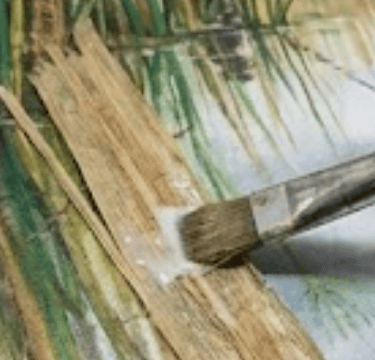
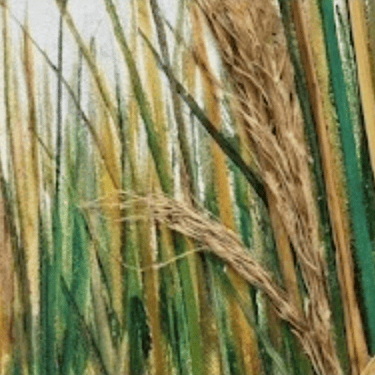
Medium: Acrylic, River Reeds, Papyrus Fiber & Water from the Delta on Canvas
Location of Origin: Okavango Delta (Maun)
Era: The Odyssey (2015)
PULA : THE BLESSING
The Origin Story:
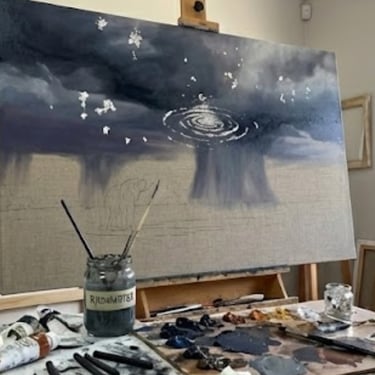
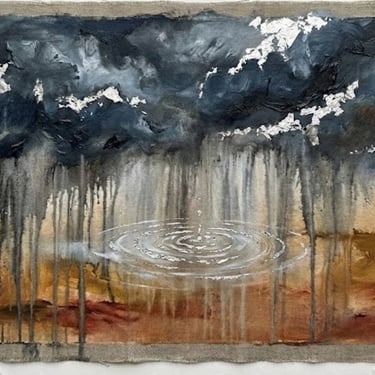
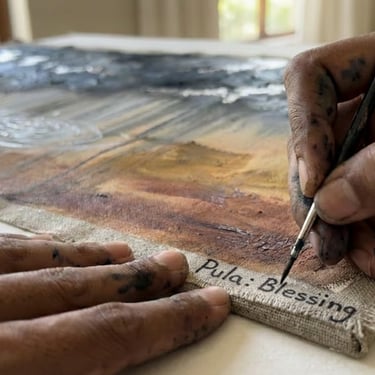
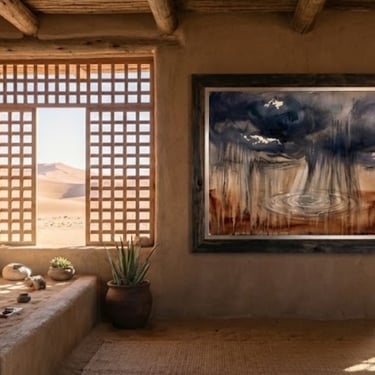
In Botswana, the word for 'Rain' and the word for 'Money' are the same: Pula. It is the ultimate currency. There is no greater god here than the Rain Cloud. This artwork is a prayer for the storm. It captures the smell of wet earth (Petrichor) and the collective sigh of the land when the dry season finally breaks.
The Specifications:
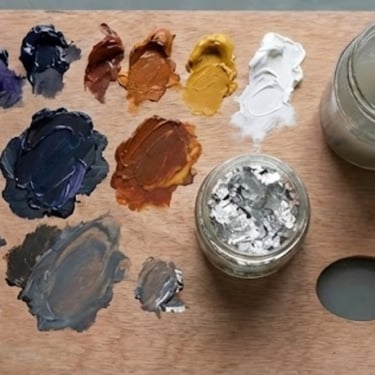
Medium: Oil, Silver Leaf, Rainwater & Charcoal on Linen
Location of Origin: Central Kalahari Game Reserve
Era: The Odyssey (2015)
THE KIMBERLITE CORE (JWANENG)
The Origin Story:
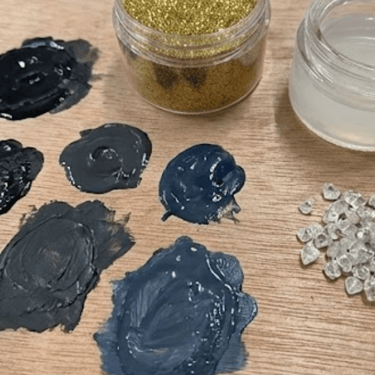
Botswana’s wealth lies hidden beneath the sand. It is the land of diamonds. But before the cut and polish, the diamond is just a stone in the mud. This piece explores the concept of 'Hidden Value.' It utilises dust from the mining regions to create a surface that looks dull from afar but sparkles brilliantly when you get close; a metaphor for the soul.
The Specifications:
Medium: Mixed Media, Crushed Kimberlite Rock, Diamond Dust & Black Oil on Canvas
Location of Origin: Jwaneng Region
Era: The Odyssey (2015)
Archive #AF011: The River Walker (Banoka Tribe)
Archive #AF012: The Rain Maker (Pula)
Archive #AF013: The Hidden Light (Diamond)
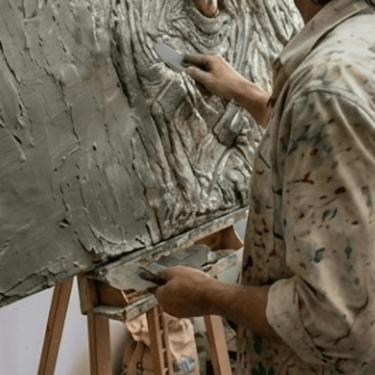
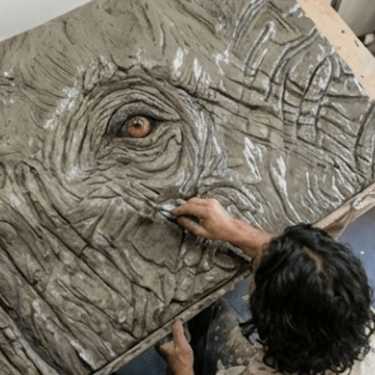
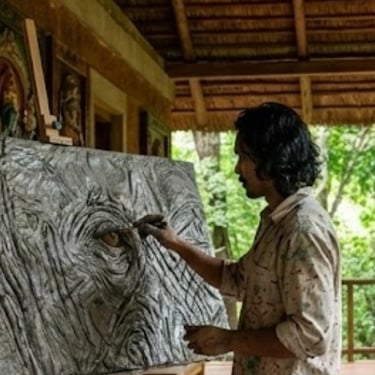
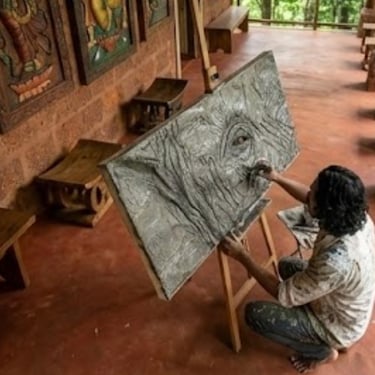
Archive #AF014: The Grey Ghost (Elephant)
THE MATRIARCH (CHOBE)
The Origin Story:
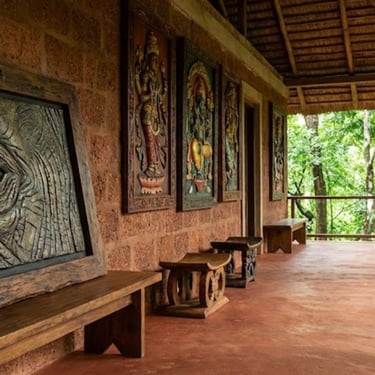
Botswana is the kingdom of the Elephant. In Chobe, they are not just animals; they are architects who reshape the forest. This piece is not a portrait; it is a landscape of skin. It honours the Matriarch, the keeper of memory, whose skin bears the map of every drought and every river crossing.
The Specifications:
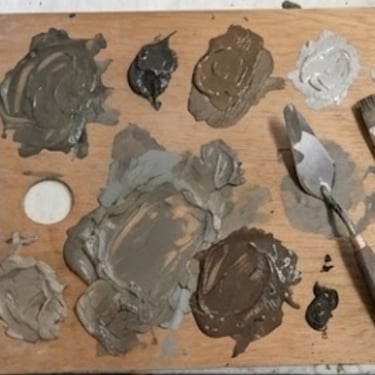
Medium: Heavy Impasto, Grey Mud (Chobe River) & Varnish on Canvas
Location of Origin: Chobe National Park
Era: The Odyssey (2015)
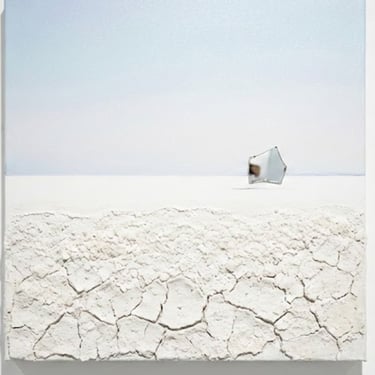
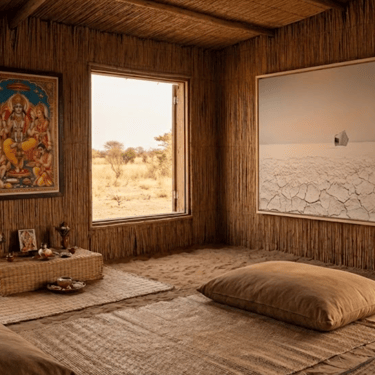
Archive #AF015: The Lunar Surface (Makgadikgadi)
THE WHITE VOID (MAKGADIKGADI)
The Origin Story:
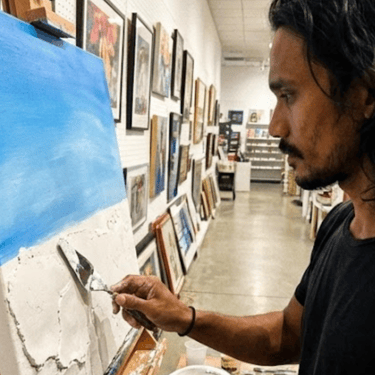
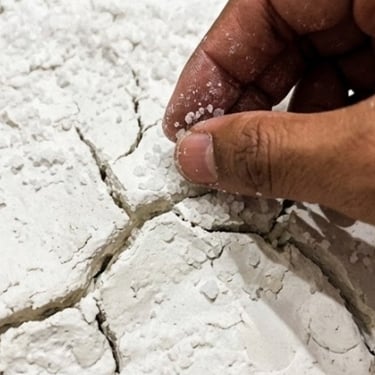
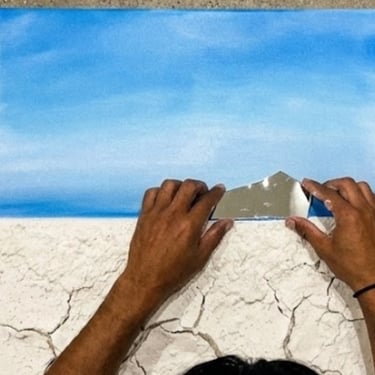
The Makgadikgadi Pans are the remains of a super-lake that dried up thousands of years ago. It is a place of disorientation, where the curve of the earth is visible. This artwork explores the 'Void.' Standing on the pan, there is no sound, no life, and no perspective. It is the closest experience to standing on the moon.
The Specifications:
Medium: Mixed Media, Pan Salt, White Clay & Mirror Fragments on Canvas
Location of Origin: Makgadikgadi Salt Pans
Era: The Odyssey (2015)
Initiate the Dialogue
PROFESSIONAL AFFILIATIONS
studio@theishwararchives.com
+60 11 2991 6922
© 2025 - 2027. All Rights Reserved
Art Acquisitions | Corporate Resilience | Spiritual Inquiry
The studio is open for private viewing by appointment only. Whether you are seeking to acquire a piece from the Sadhana Archives or discuss a corporate wellness program, Raajashri welcomes the conversation.
The 2026 Debut
Be the first to receive the official invitation to the public exhibition launch and exclusive previews of new works.